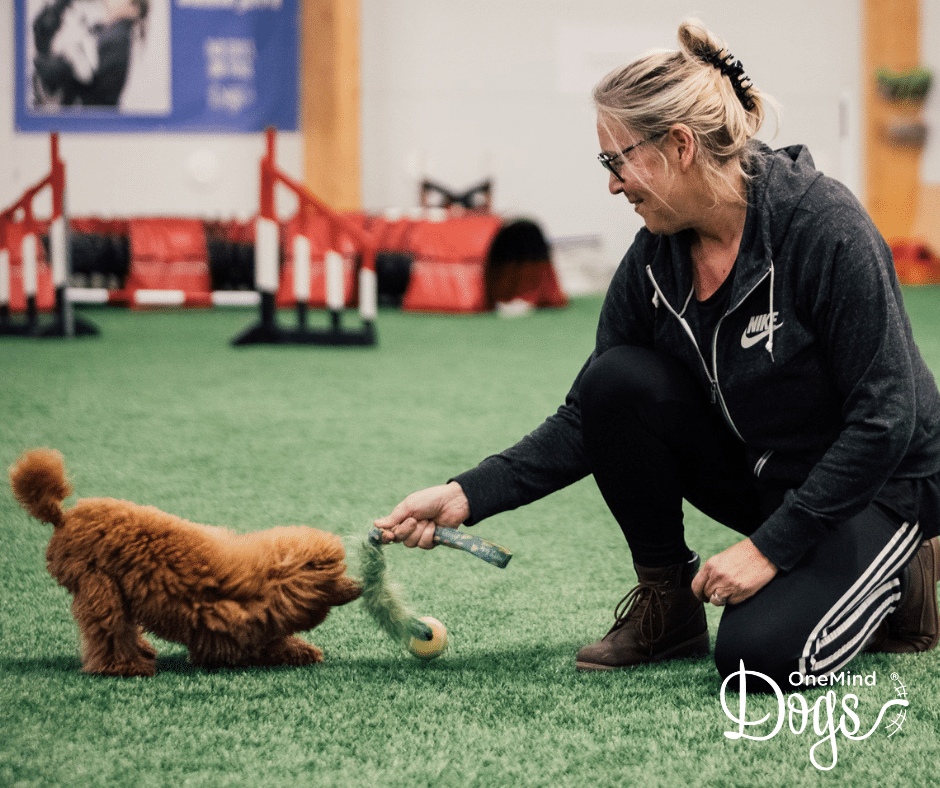
Some years in agility are all ribbons and personal bests. Others test the connection with your dog in ways you never saw coming. Injuries, losses, a dog who suddenly finds the ring too much, or a fresh start you never wanted to make.
This year we asked our community a simple question: what was your favourite moment of connection with your dog? We expected some happy run videos. What we got was a stack of stories about teams who hit something hard and found their way back to each other.
None of these moments are about a perfect run. They’re about what a strong connection with your dog actually gives you: a partner you trust when everything else feels uncertain. Here are a few of the stories that stayed with us.
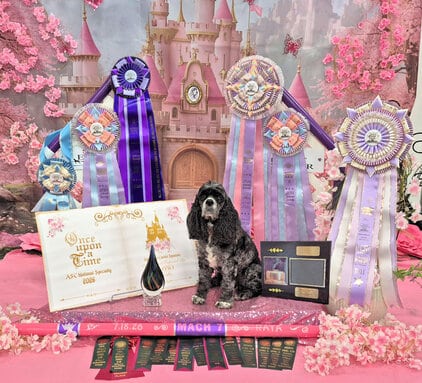
Donna and Raya: the weekend everything came together
Donna had planned to take Raya to their first National Specialty in 2025. Then in March that year, she suddenly lost Belle, her soul dog and Raya’s best friend. Two months later, Raya needed surgery to remove a cancerous tumour from her hind leg.
“I had no clue what would happen in our future, would the cancer come back, would we ever run agility again?”
Raya recovered, and at the time of writing she’s a year and a half cancer free. In July 2026 the two of them drove over 500 miles to the ASC National Specialty, on their own, knowing nobody there. They entered four days of agility and three of rally.
“Raya ran her best she had run since before losing her best friend, our connection that weekend was perfect.”
Raya qualified three days in a row and came home with more awards than Donna knew what to do with. What we love most is how Donna describes her: never the fastest or the flashiest, just a consistent little partner who loves the sport. That’s what connection looks like. It’s not about being the best dog in the ring. It’s about being the best team you can be, together.
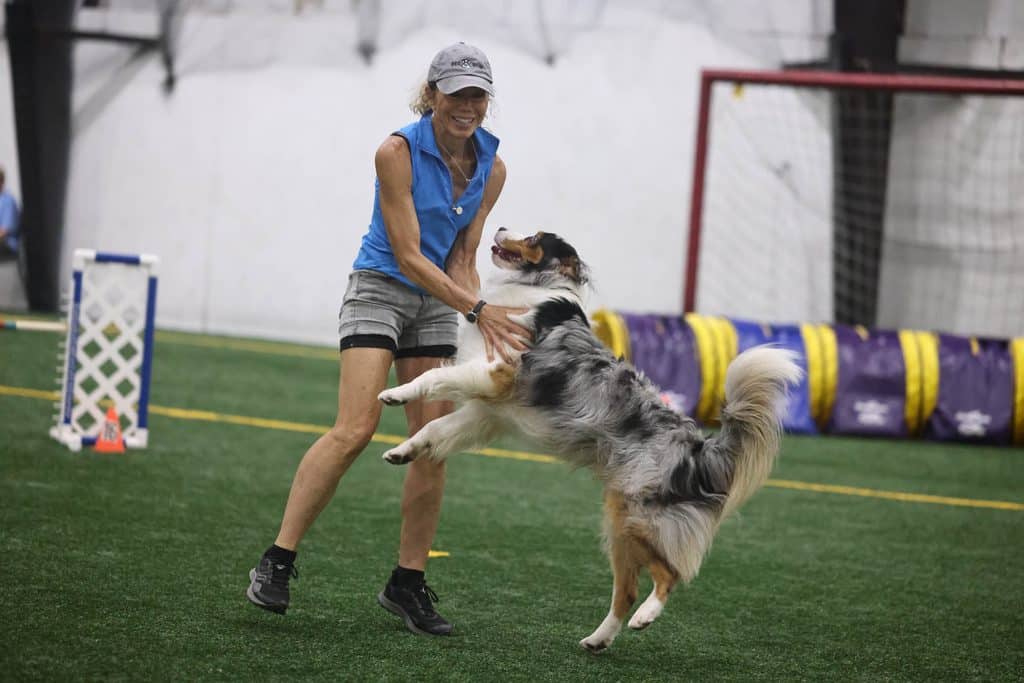
Stacey and Benny: starting over, and finding a natural connection
Stacey came into this chapter carrying two heartbreaks from her previous agility journeys. One of her Aussies tore both cruciate ligaments, and another passed away suddenly at just three years old. Picking up and starting again with a young dog was, in her words, a challenge.
Benny made it a little easier. He took to the OneMind Dogs foundations straight away, and those skills carried them quickly through the levels once they started competing. He reached Masters at two and a half.
Their last run of 2026 was their 10th AKC Masters Jumpers with Weaves qualifier, and Stacey’s first Masters title in that class.
“Earning my first Masters title in that class was a long time coming and extremely rewarding with Benny as my partner.”
Starting over is hard. A shared language with your new teammate, built from day one, means you’re not starting from nothing.
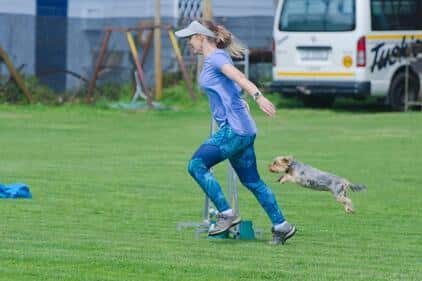
Sherlee and Lula: a heart of gold, for her shelter friends
Lula had a tough year. An injury, and then she started finding other dogs really hard to be around, let alone on a course. Plenty of handlers would have stepped back. Sherlee kept going to lessons every week and made it all about having fun, letting Lula grow through the ring stress at her own pace.
Then in October, they ran an agility demo at a charity event for their local animal welfare shelter.
“Lula embraced the moment and gave it her absolute all – for her shelter friends.”
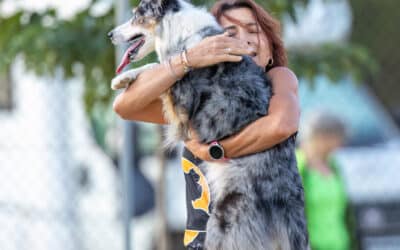
Sherlee says the photo from that day gives her goosebumps. It’s a beautiful example of what happens when you stop judging a dog by the hard days and keep showing up for her anyway. Lula didn’t need to be pushed. She needed someone patient in her corner.
And Sherlee’s little rescue Yorkie, Chilli Bean, had her own moment at the same event, nailing her weaves just two years after arriving with almost no training at all.
Connection lives in the small moments too
Not every story was a comeback. Some of our favourites were small moments that were just as telling.
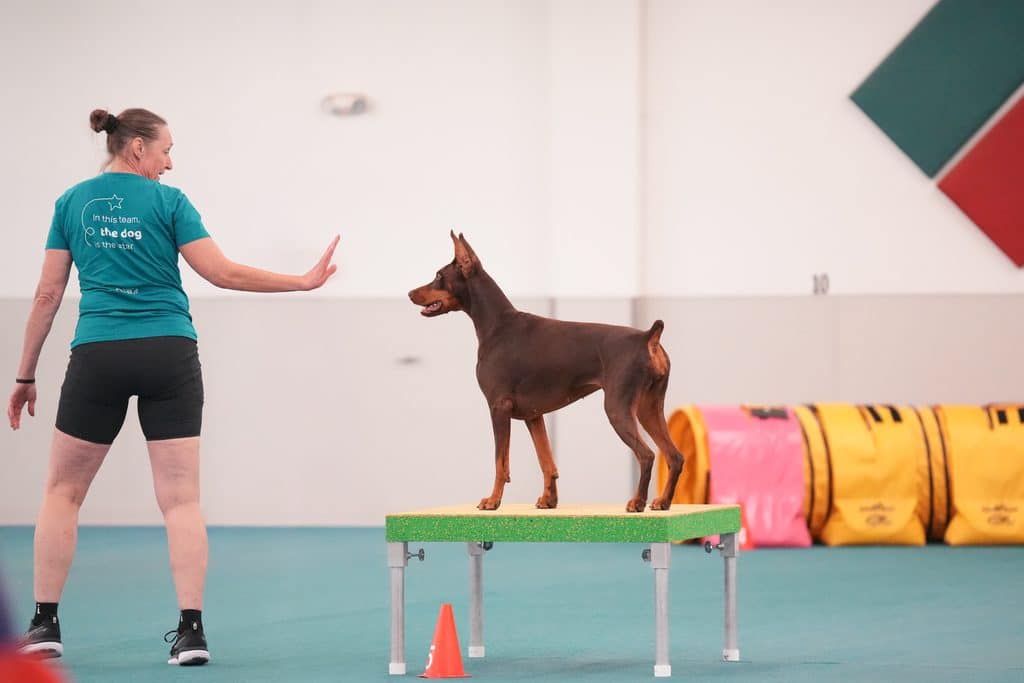
Nancy and Ava used to struggle on the table. Those few seconds of stillness gave Ava time to look around, and once she went straight to the judge after her release. At their September trial, Nancy caught a photo of the two of them “locked on” to each other instead.
Georgia and Suki have been working on weaves for months in a small Queensland back garden, early in the morning before the heat kicks in (PJs and Ugg boots included). The first time the poles were fully closed, Suki nailed it. Georgia’s words: Suki gives her 100%, so readily and always so unconditionally.
Lisa, Kurtis and Snooker didn’t pick their best run of the year. They picked the one at the USDAA Midwest Regional where they got to choose a song to accompany their run! They went with “Jump Around” and the other competitors cheered them all the way round. A lovely reminder that connection isn’t only between you and your dog. It’s the whole agility community around you.
And Carol summed up something a lot of handlers feel:
“Being able to appreciate the good ‘moments’ more and be less frustrated with the calamities.”
How to build a stronger connection with your dog
Reading these stories back, a few things kept coming up. None of them need a talented dog or an elite handler.
- They kept showing up. Sherlee went to lessons every week through Lula’s hardest months. Georgia trained before breakfast in her PJs. Connection is built in ordinary sessions, not just big trials.
- They built a shared language early. Benny’s quick progress came from solid foundations. When your dog understands what your body is telling them, you have something steady to fall back on when life gets messy.
- They looked at things from the dog’s side. Nancy didn’t blame Ava for wandering off at the table. She saw that the pause gave Ava too much time to look around, and worked on staying connected through it.
- They kept it fun. Every one of these handlers talks about joy, pride or goosebumps. Not one of them talks about a perfect score.
- They noticed the good moments. A clear round, a closed set of weaves, a cheering crowd. Celebrating the small wins is how you get through the hard bits.
That’s really what we mean when we talk about teamwork and connection at OneMind Dogs. When you understand your dog’s perspective, your dog trusts you more. That trust is the heart of a real connection with your dog, and it’s what gets you both through anything.
Share your moment of connection
We’d love to hear yours. It doesn’t have to be a title or a clear round. Maybe it was the first time your dog checked in with you mid-course, or a training session that just clicked.
Email a photo or video of your favourite moment of connection with your dog this year to support@oneminddogs.com, with a few words about why it mattered. Entries received by 8 November go in the draw to win one of three 6-month OneMind Dogs gift cards, to keep or pass on to a friend.
Thank you to every handler who trusted us with their story. You’ve reminded us why we love this sport, and the dogs who make it what it is.