
At OneMind Dogs, we believe training should be fun for both sides of the team. That means listening to our dogs, understanding what truly motivates them, and giving your dog a reward that makes sense from their perspective. This is especially important when playing dog sports like agility with your dog.
OneMind Dogs Instructor Lynn Madden presented a popular free webinar all about rewarding skills, and it’s packed with practical insights. Whether you’re brand new to dog training or an agility enthusiast looking to strengthen your teamwork, learning how to reward effectively can make training easier, faster, and a whole lot more enjoyable.
👉 Watch the full webinar recording here
Why it matters how you reward your dog in agility
At its heart, rewarding is about positive reinforcement. A behavior that’s rewarded is a behavior that will be repeated. That simple truth underpins everything we do in training.
Think of it this way: if you ask your dog for a nose touch to your hand and follow it with a reward, the dog is more likely to offer that behavior again. But if you ask and nothing follows, no treat, no toy, no acknowledgment, your dog quickly learns it’s not worth the effort.
Rewarding builds confidence. It makes learning fun. And when your dog is having fun, you’ll see stronger, more reliable behaviors that carry over into real life and the agility ring.
What counts as a reward?
The fun part is that “reward” doesn’t just mean food. Dogs are individuals with unique preferences, and it’s our job to find out what makes our dogs light up.
For some dogs, food is king. Others love toys. Some get excited about splashing in the hose, playing chase, or even (in one memorable example from Lynn’s webinar) training for a lemon!
The key is to ask your dog what they find rewarding. Put out different options, treats, tug toys, a favorite ball, a piece of food hidden in a Kong, and see what they choose. Their enthusiasm tells you everything you need to know. And remember, preferences can shift day to day. Flexibility is part of good training.
Busting the tugging myth in agility
One of the most common beliefs in agility is that “all good dogs must tug.” But that’s simply not true.
Tugging is a great game if your dog loves it, but if they don’t, forcing it won’t magically make them faster or more motivated. Lynn reminded us that many champion agility dogs never tugged in training. Instead, their handlers found other ways to reward them, most often with food or a different type of play.
So if your coach has told you your dog has to tug, remember: what matters is that your dog gets rewarded in a way that’s meaningful to them. A reward that doesn’t motivate isn’t a reward at all.
Building the game: play styles and preferences
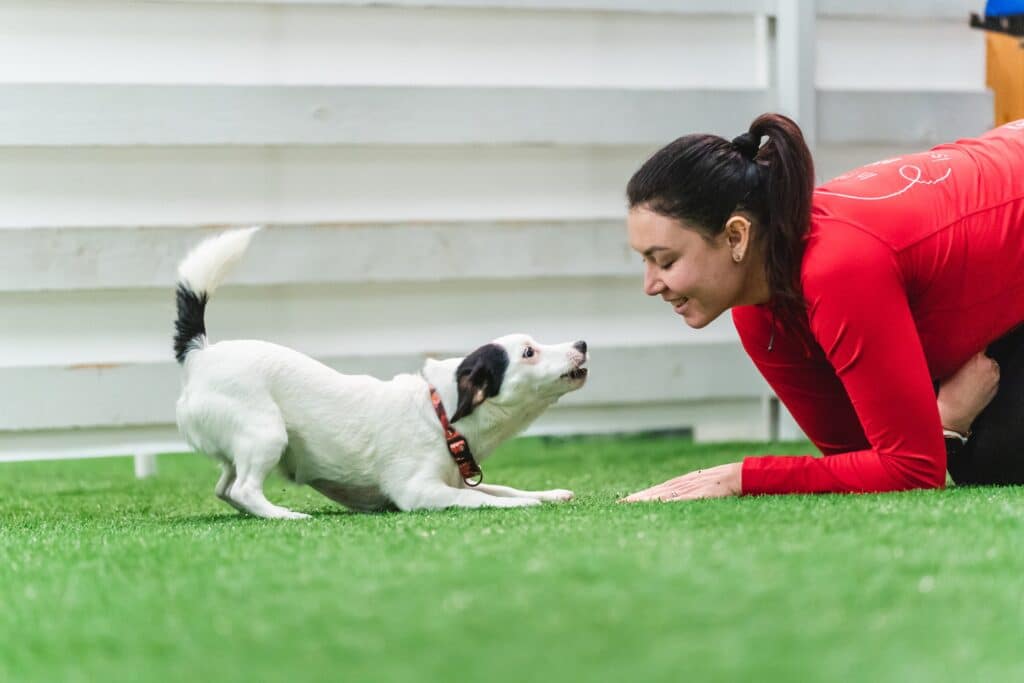
Dogs play differently, and learning your dog’s natural play style helps you create rewards they genuinely enjoy.
- Some love the tug-of-war aspect of a toy.
- Others prefer the chase part of the game, bringing the toy back and begging for another throw.
- Some dogs prefer body play or praise over toys altogether.
Observation is powerful here. Watch how your dog plays with other dogs, with you, or even alone. Do they love shaking a toy, chasing movement, or climbing into your lap for attention? Once you know, you can build value into that style of play and turn it into a reliable reward.
Reward markers: clarity in communication
Rewards aren’t just about what we give, but also when and how we give them.
Marker cues are simple signals that tell the dog, “Yes, you’ve got it right, reward is coming!” Some people use a clicker. Others say “Yes!” or have a specific cue like “Get it!” or “Dish!” (for a food bowl reward).
These markers build clarity. Your dog knows exactly which behavior earned the reward, and that clarity speeds up learning.
Timing is everything
The “when” of rewarding can make or break a training session. Delivering a reward at the right moment helps your dog understand exactly which behavior you’re reinforcing.
Mistimed rewards happen to everyone. If you accidentally reward the wrong behavior, don’t panic. Lynn demonstrated that it’s better to calmly reset, reward your dog generously for trying, and then give them another chance to succeed. Training is a partnership, not a perfection contest.
The power of reward placement for agility training
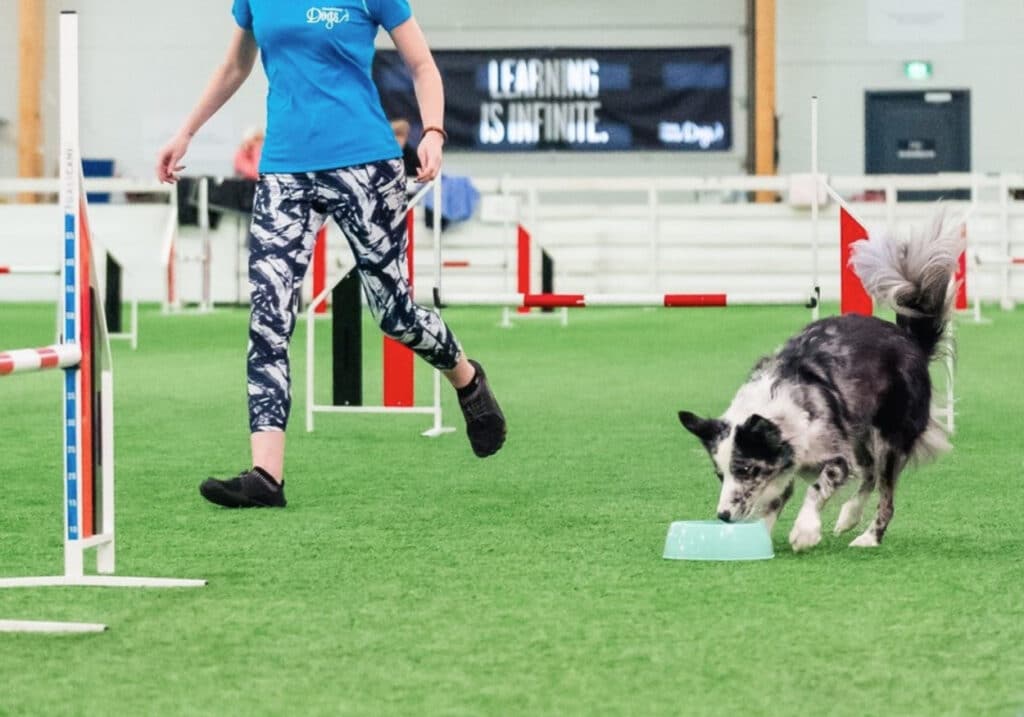
Where you deliver a reward can shape your dog’s behavior just as much as what you give.
- Rewarding from your hand will build handler-focus
- Rewarding on the dog’s line (like tossing a toy ahead or pre placing on the landing) build obstacle focus
Being strategic with placement helps your dog understand what you want and builds independence where it’s needed.
The “who” of rewarding: your relationship matters
At the end of the day, rewarding is about more than food or toys, it’s about the bond between you and your dog.
Dogs know when we’re being genuine. You can’t fake enthusiasm. If you’re not in the right headspace, it’s better to take a break than to force training.
Be generous. Be flexible. Celebrate your dog like they just won the world championships, even if you’re rewarding a simple sit. That authenticity makes training fun, keeps your dog engaged, and strengthens the trust between you.
Common pitfalls and how to avoid them
Even with the best intentions, it’s easy to fall into habits that make rewards less effective. Here are a few to watch out for:
- Being stingy: One tiny kibble isn’t much of a paycheck. Make your dog feel like they’ve struck gold.
- Ignoring the dog’s preferences: Just because you think tugging looks exciting doesn’t mean your dog agrees.
- Forgetting variety: Mix up food, toys, and play to keep rewards fresh.
- Using “no” around rewards: If your dog grabs a toy early, don’t scold. Reset and try again. Protecting trust matters more than enforcing rules.
Bringing it all together
Rewarding skills aren’t about bribing your dog. They’re about making training fun, motivating, and crystal-clear from the dog’s perspective. When you find the right rewards, delivered at the right time and place, training transforms.
You’ll see your dog working with enthusiasm, learning faster, and staying focused. And perhaps most importantly, you’ll both enjoy the process.
As Lynn shared in the webinar: rewarding should feel like your dog’s best day ever. If you can create that feeling in training, you’ll be amazed at how far your teamwork can go.
Watch the full webinar for free
This blog only scratches the surface. Lynn’s webinar includes real-life videos, examples from her own dogs, and practical demonstrations you can use in your training today.
👉 Click here to watch the free webinar recording
Whether you’re training for agility or just want a better everyday partnership with your dog, learning to reward effectively is one of the most powerful skills you can develop.