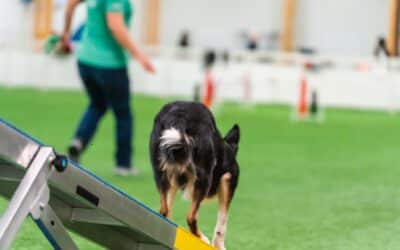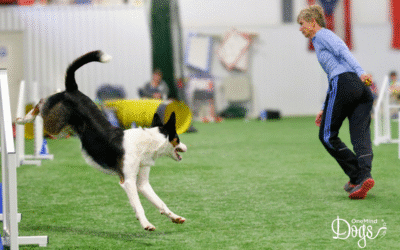
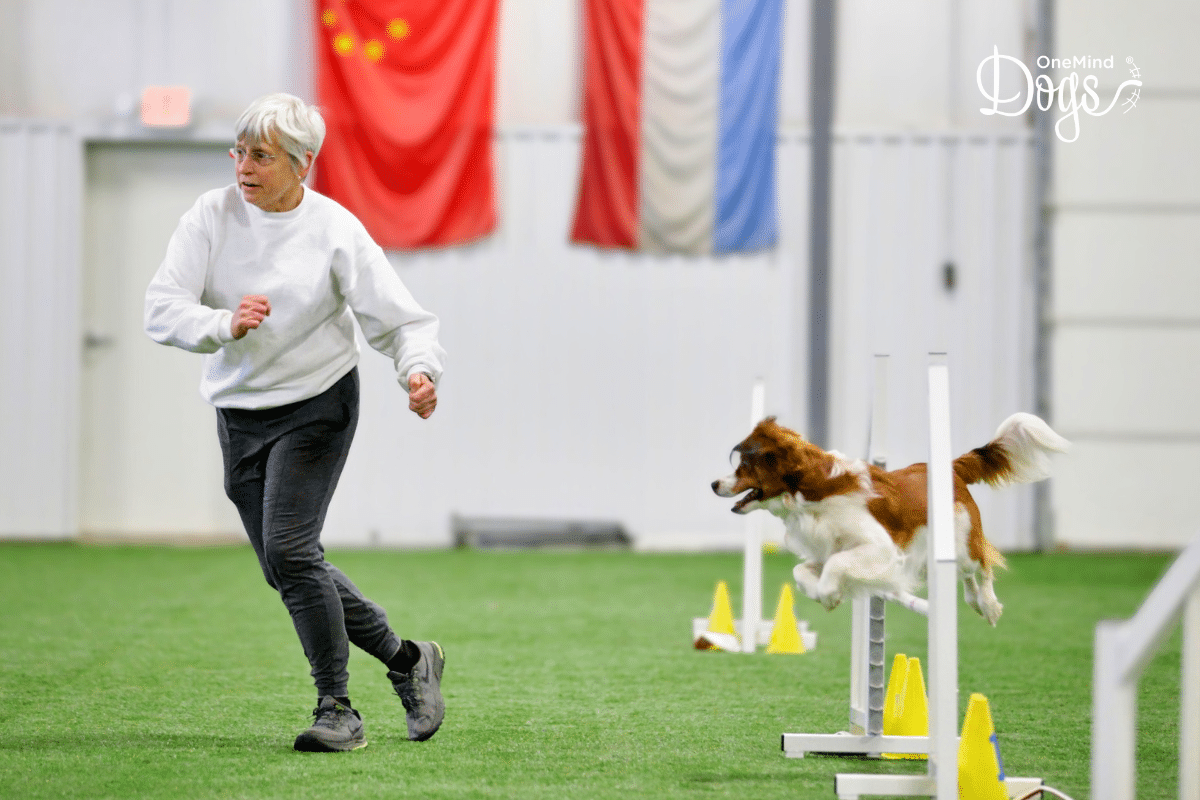
“Focus” is one of the most common challenges faced by dog owners and handlers.
- How do I get my dog to focus on me?
- Why does my dog get distracted so easily?
- Why won’t my dog listen when there are other dogs, people, or noises around?
Here’s the part that surprises most people: focus isn’t something you train on its own. Focus is what shows up when your dog feels safe, understands what’s expected, and knows how to succeed with you.
At OneMind Dogs, we don’t aim to teach dogs to block out the world. Instead, as our coaches often say, we want dogs to choose their handler, even with distractions around, because working together is more rewarding than anything else in the environment.
So what does that actually look like in real life?
Focus grows from connection
Many people try to “fix” focus by adding more control. More cues, more repetition and more pressure. Sometimes even corrections. But what we often label as poor focus is really one of these things:
- The dog isn’t clear on what’s being asked
- Expectations increased too fast
- The environment feels overwhelming
- There’s not enough value in the task for the dog
None of those problems are solved by being stricter.
Real focus comes from the relationship you build over time. When your dog understands you, trusts you, and finds real value in listening, staying engaged becomes the easy choice. That’s what we focus on teaching.
Let’s walk through how this works step by step.
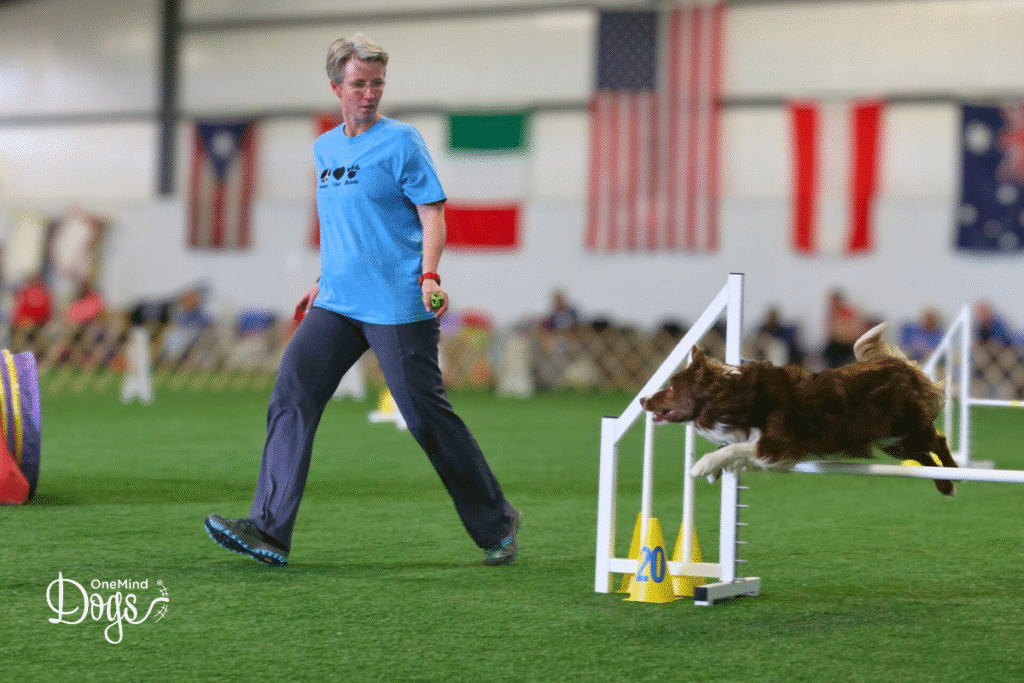
Step 1: Become the most interesting part of your dog’s world
From puppyhood onward, the goal is simple. You should be the most exciting thing in your dog’s life.
That doesn’t mean keeping your dog away from the world. It means that most good things happen through time spent with you. You can build that by:
- Training together, using methods that make sense to the dog
- Playing together, because fun builds strong bonds
- Exploring together, since new experiences grow confidence and trust
- Learning new skills together, which dogs find rewarding
Over time, your dog should learn that working with you is the fastest way to get what they want. Food. Play. Movement. Engagement.
If your dog is more interested in other dogs or people, that’s not a flaw. It’s useful information. From the dog’s point of view: Who has been more fun in the past, that dog or my human? If the answer isn’t you yet, focus will be harder around distractions.
Your role is to slowly shift that value back toward you, without force or frustration.
Step 2: Clarity reduces distraction
Many dogs that look distracted are actually confused or frustrated because they’re not sure how to succeed in a certain situation.
Before expecting focus in busy places, your dog needs clear understanding in quiet ones. That means being very clear about each exercise:
- How and when it starts
- What the dog should do
- What success looks like
- How it ends and how you will reward
When dogs know the job, they don’t need to look around for answers. Confusion leads to scanning the environment. When they are given the chance to scan, dogs are more likely to notice something that takes their attention away from you. If you keep them engaged, they won’t even notice other dogs or people around.
This applies to everything, from recall training to startline stays to agility handling.
Step 3: Engagement is something you teach
Engagement doesn’t just happen on its own. It’s a skill, and skills need training.
We intentionally teach dogs to:
- Notice the handler’s movements and respond to them appropriately
- Read changes in speed and direction
- Choose the handler as their main source of information
This matters even more in agility, where dogs often work ahead of us and still need to stay connected.
When engagement is trained early, focus turns into a habit instead of something you have to ask for.
Step 4: Distractions are part of the training plan
One common mistake is putting dogs straight into hard situations (new skill + new environment for example) and hoping they cope.
Distractions should be added the same way you add jump height or distance. Gradually, one step at a time.
Start with:
- Distractions far away, so far the dog barely notices them
- The dog close to you, on lead
- Very easy tasks the dog already knows
Then slowly build up to:
- Distractions closer
- The dog moving faster, eventually offleash
- Harder skills
If your dog disengages, that’s not failure. It’s feedback. The picture was too hard. Make it easier and try again. Always take “mistakes” as information from your dog and guide your training that way; don’t go into a session with certain expectations. Many outside factors can influence your dog’s coping levels on a given day. How well they slept, what they ate, when they last went for a walk, if they had an interaction with another dog recently, etc.
We don’t punish dogs for choosing the environment. We simply adjust our training and help them choose us next time.
Step 5: Help your dog succeed often
Confidence and focus grow through success and slow progress.
If the environment keeps “winning,” it slowly becomes more valuable, and it’s harder to get focus back on you each time. That’s why we structure sessions so dogs win early and often. Better to have a session that was “too easy” than too many sessions that are too hard for the dog.
- Keep sessions short.
- Set clear goals.
- Finish on a good note.
Dogs that succeed with you again and again naturally want to stay engaged. Focus is built through success, not by pushing for longer sessions.
Step 6: Give the brain a job
For many dogs, especially high-drive ones like Border Collies, focus problems come from unmet needs.
Dogs aren’t meant to do nothing but chase a ball all day and then suddenly cope in a busy setting. They need regular mental and physical outlets.
Agility, obedience, tracking, tricks, nose work, canicross. What you do matters less than doing it together.
Short, regular training sessions give the brain an outlet and strengthen the habit of working as a team. A dog with a fulfilled brain doesn’t need to chase every distraction.
Step 7: Practise focus everywhere
Focus needs to be practised in many places, but always in short, successful sessions.
One minute of great engagement in a new location is worth far more than twenty minutes of struggle.
Try:
- Different locations with a variety of environmental distractors
- New surfaces and sounds
- Environmental noises like bells, bangs or barking dogs
- Varying energy levels from people and dogs
Each new setting teaches the same lesson: staying connected with you still works here.
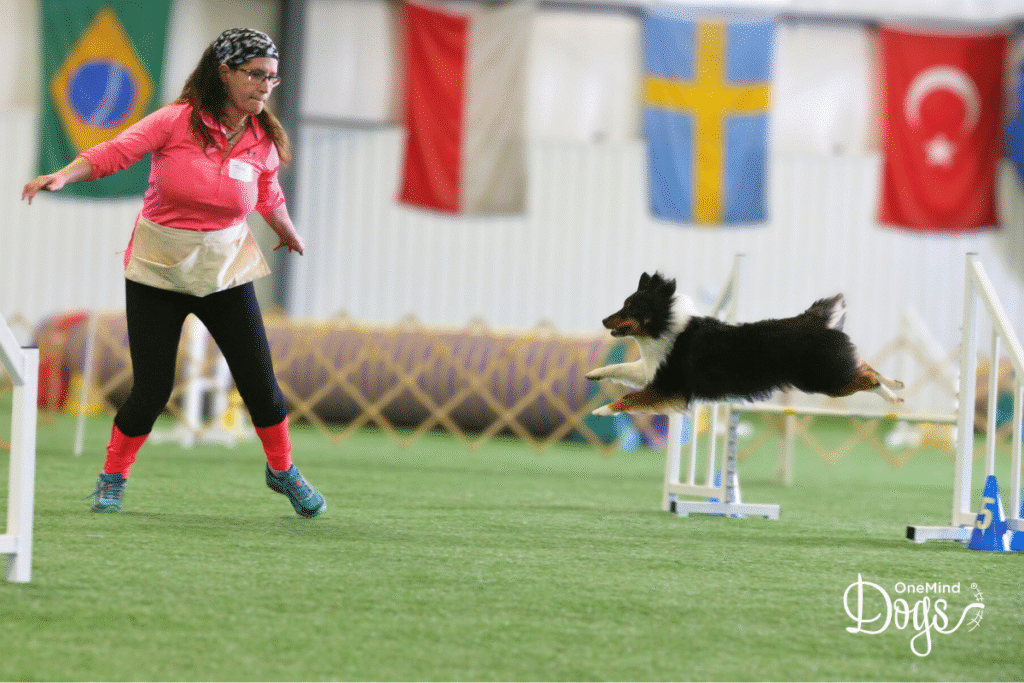
Focus is the result, not the goal
When people ask, “How do I get my dog to focus?” they’re often really asking:
- How do I help my dog feel confident with me?
- Will I ever be more interesting than other dogs?
- Why does my dog choose others over me?
When you train from the dog’s perspective, focus stops being something you chase. It becomes the natural result of clarity, trust, and shared work.
If you’d like to start training this way and build focus through understanding rather than control, you can begin here:
Train in a way that makes sense to your dog, and focus will follow.